Erik Griffin · 30 October 2026
Tracing Precipitation Influences on Highland Sheep Herding Traditions in the Scottish Highlands
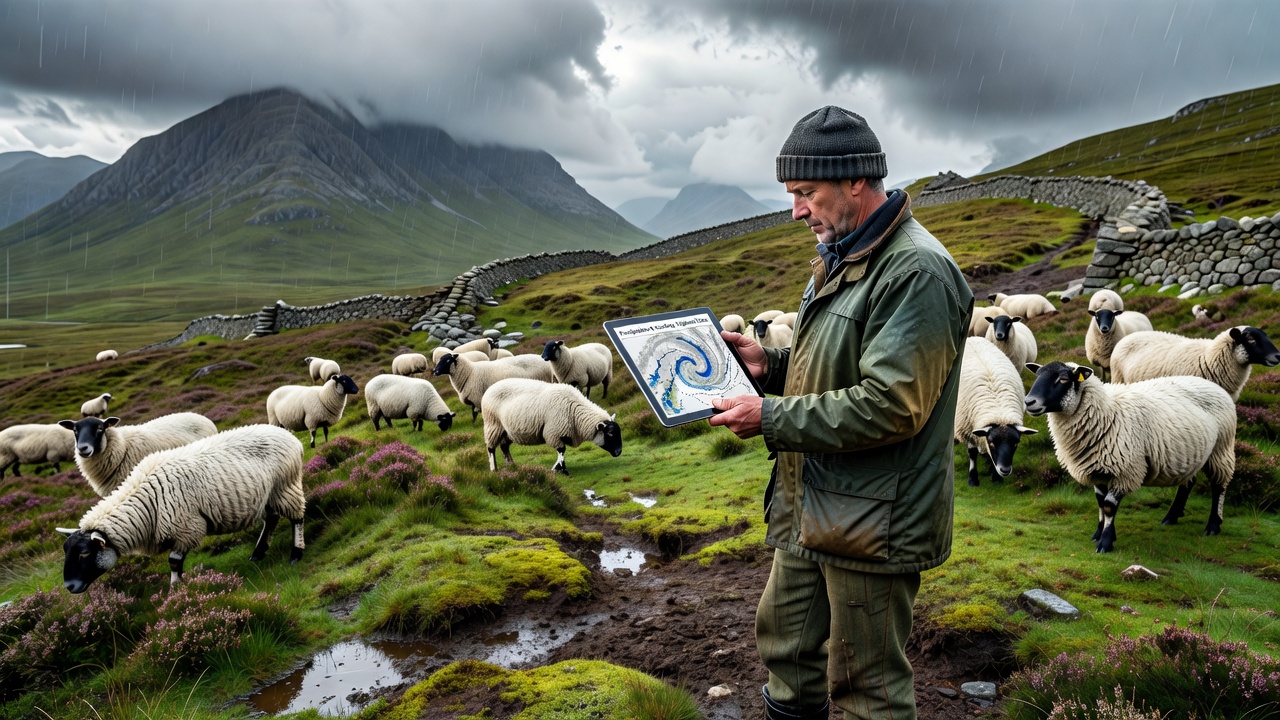
Precipitation patterns shape sheep herding practices across the Scottish Highlands where annual rainfall often exceeds 2000 millimeters in upland areas and creates persistent wet conditions that dictate seasonal movements and flock management. Herders have long adjusted routes and schedules around frequent downpours and fog that reduce visibility and soften ground surfaces.
Historical Development of Weather-Responsive Herding
Traditional systems of transhumance emerged centuries ago as communities moved flocks between lower winter pastures and higher summer grazings and precipitation played a central role in determining safe crossing times for rivers and tracks. Records from the 18th and 19th centuries show that prolonged wet spells delayed migrations while heavy October rains sometimes forced early returns to sheltered valleys. Blackface and Cheviot breeds developed resilience to damp climates yet required careful monitoring to prevent foot rot and other moisture-related ailments that spread quickly in saturated soils.
Current Precipitation Data and Regional Variations
Weather stations operated by the Met Office record some of the highest precipitation totals in the United Kingdom within the Highlands with western slopes receiving the bulk of orographic rainfall while eastern glens experience slightly drier but still substantial totals. Figures from recent decades indicate an increase in the frequency of intense rainfall events that saturate peatlands and raise water tables which in turn affects grass growth cycles and nutrient availability for grazing sheep. Observers note that these shifts influence the timing of lambing and shearing activities as wet Octobers in 2026 have already prompted adjustments in several estates.
Researchers at the James Hutton Institute have documented how sustained rainfall alters soil compaction and erosion rates on slopes used for herding and these findings guide land management decisions that balance flock needs with environmental protection. Data shows that autumn precipitation often peaks between September and November and forces herders to select routes that avoid flooded fords and unstable hillsides.
Adaptations in Daily and Seasonal Practices
Herders rely on local knowledge of microclimates to predict when certain corries will remain accessible despite rain and they often combine visual cues from cloud formations with readings from simple rain gauges placed along traditional drove roads. During periods of high precipitation sheep naturally congregate on better-drained ridges and this behavior influences the choice of gathering points and overnight stops. Collies trained for wet terrain help maintain control when visibility drops and handlers adjust whistle commands to account for wind and rain interference.
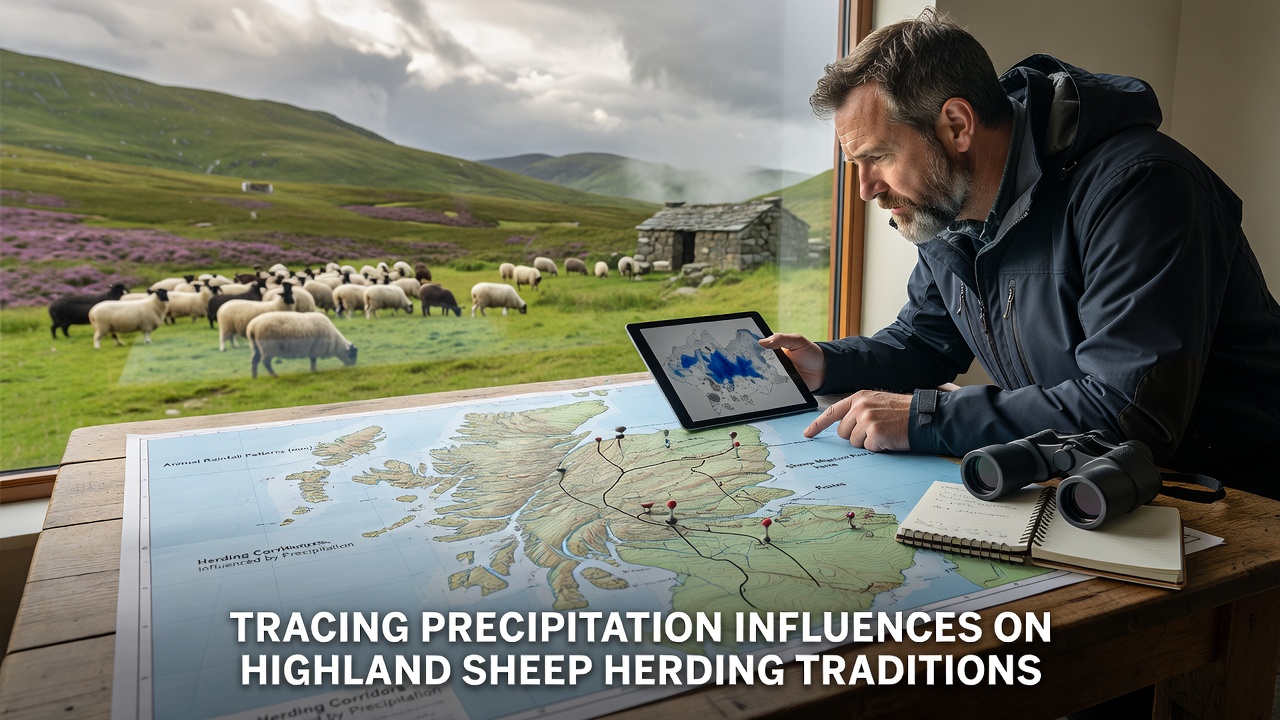
Many estates now incorporate satellite imagery and soil moisture sensors alongside longstanding observational methods and these tools provide advance notice of conditions that could strand flocks or damage pasture. In October 2026 several communities reported using such combined approaches to complete autumn gathers before another series of Atlantic fronts arrived.
Ecological and Economic Interconnections
High rainfall supports the lush but fragile vegetation that sustains sheep yet also promotes the spread of certain liver fluke parasites that thrive in damp intermediate host habitats. Veterinary records compiled by NatureScot indicate rising treatment needs during wetter years and this has prompted changes in flock health protocols that integrate weather forecasts into medication timing. Economic returns from wool and meat remain tied to the ability to move animals efficiently and excessive precipitation can increase transport costs when roads become impassable or when supplementary feed must be brought in earlier than planned.
Studies from the Scottish Government rural affairs division highlight how precipitation variability affects both the biodiversity of grazed uplands and the viability of small-scale herding operations that still follow centuries-old patterns. These operations often operate on narrow margins and weather-related disruptions compound other pressures such as changing market prices and labor availability.
Looking Ahead at Precipitation Trends
Climate projections suggest continued shifts in the timing and intensity of rainfall across the Highlands and herding communities are exploring collaborative monitoring networks that share real-time data among neighboring estates. Such networks allow rapid responses to localized flooding or prolonged saturation and they build on the adaptive traditions already embedded in Highland culture. Continued documentation of precipitation effects will support decisions that preserve both the ecological integrity of the region and the continuity of its distinctive herding practices.
Conclusion
Precipitation remains a defining factor in Highland sheep herding and its influence appears in every aspect of flock movement, health management, and seasonal timing. Ongoing collection of meteorological and agricultural data provides the factual basis for understanding these interactions while traditional knowledge continues to inform practical responses on the ground. The interplay between rainfall patterns and herding traditions therefore represents an ongoing process of observation, adjustment, and documentation rather than a static historical record.