Yara Albrecht · 1 September 2026
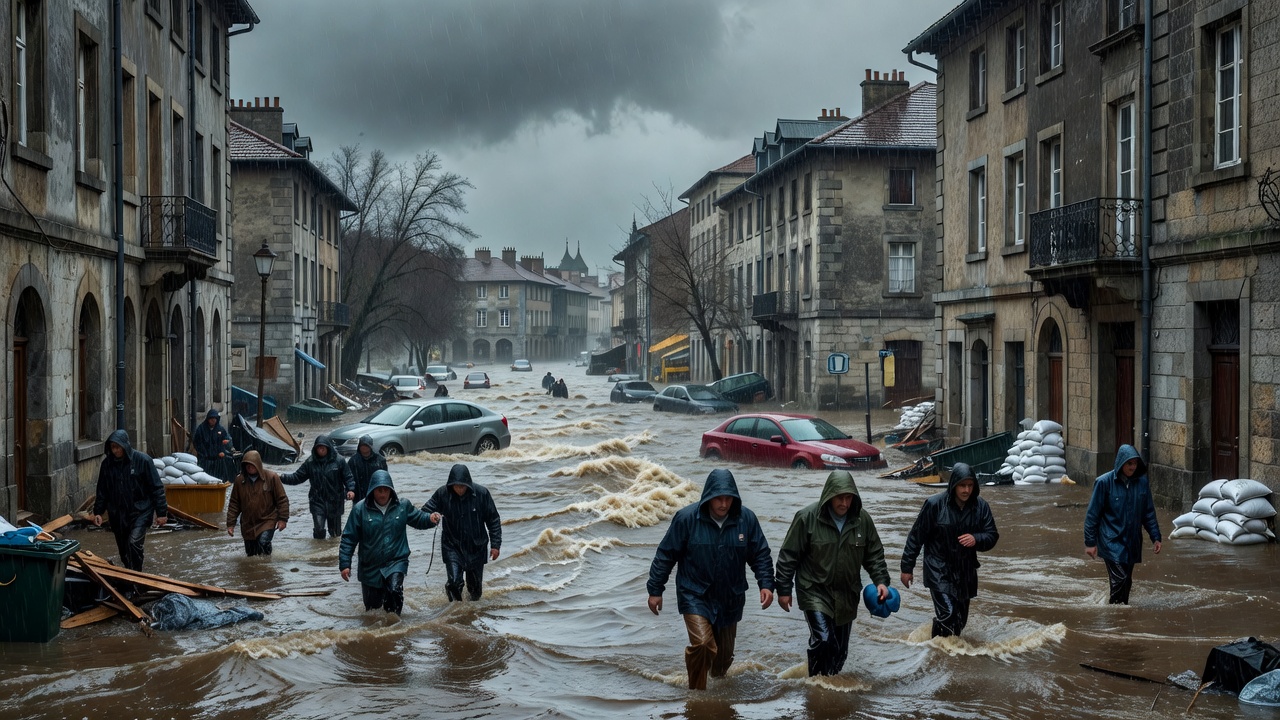
Multiple regions in Europe have faced severe flooding as a result of unprecedented rainfall levels recorded this year. Scientists studying rainfall patterns note that these events are becoming more common due to alterations in climate dynamics. Data collected from various monitoring stations reveal that precipitation volumes in key areas have exceeded norms by significant margins, leading to river levels rising rapidly and causing overflows. Urban and rural communities alike are struggling to cope with the aftermath, including displaced residents and damaged infrastructure. Prolonged wet spells have saturated soils, reducing their capacity to absorb additional water during intense storms.
Key Findings from Rainfall Analysis
Detailed examination of historical and current rainfall data indicates a clear upward trend in extreme precipitation occurrences across the continent. In northern Europe, for example, the number of days with heavy rain has increased by over 20 percent in the last fifteen years. This is accompanied by changes in storm tracks that direct more moisture towards landmasses. Researchers emphasize the importance of continuous monitoring to understand these shifts better and to predict future risks accurately. Models suggest that without intervention, the intensity of such events could double by mid-century, posing challenges for water management and flood defenses. Additional factors such as soil saturation prior to storms exacerbate the flooding potential, as seen in recent cases where consecutive wet periods left little capacity for absorption. Satellite imagery and ground sensors confirm rising averages in hourly rainfall rates during summer months.
Broader Implications and Responses
The linkage between extreme rainfall and floods has prompted calls for enhanced preparedness measures throughout Europe. Governments are investing in improved forecasting tools based on advanced rainfall pattern studies. Agricultural sectors are particularly vulnerable, with crop losses reported in flooded zones. Public health concerns also arise from contaminated floodwaters. Overall, addressing these issues requires coordinated efforts at both national and international levels to adapt to evolving precipitation regimes and minimize associated damages. Infrastructure upgrades and nature-based solutions are being evaluated to build resilience against future events.