Erik Griffin · 1 September 2026
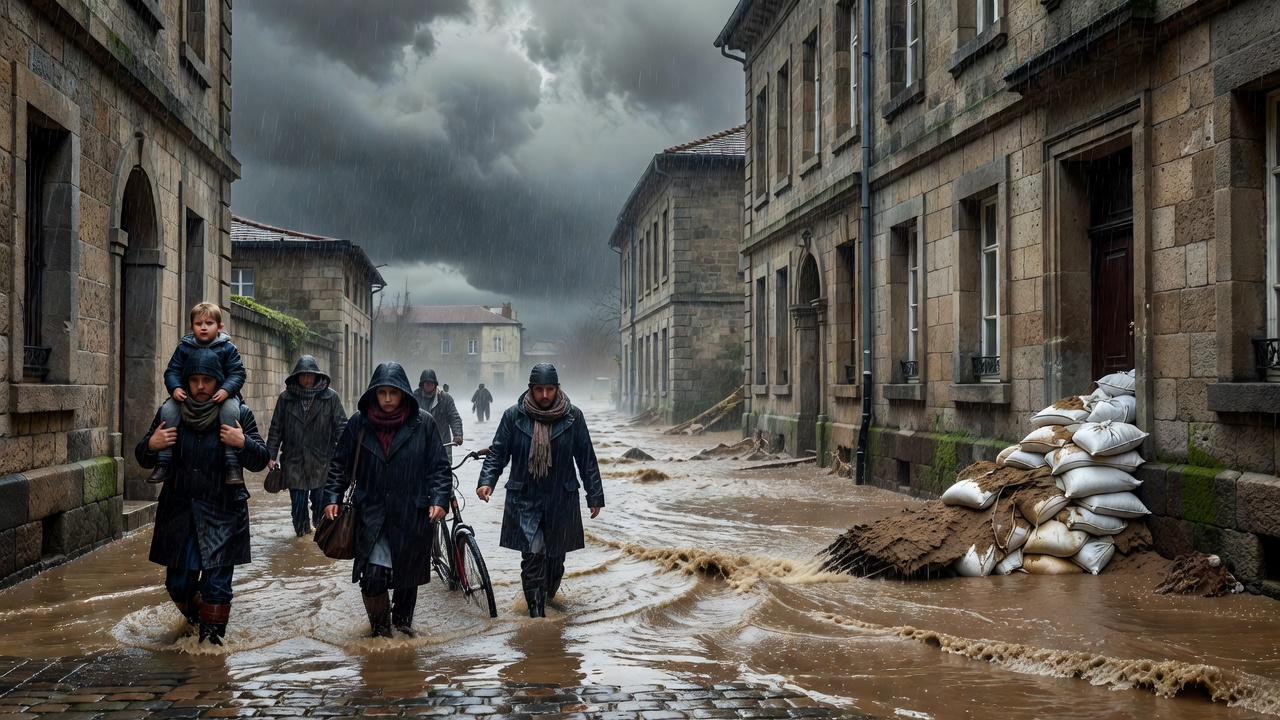
Recent studies indicate a strong correlation between extreme rainfall events and the increasing frequency of floods across various European regions. Data collected over the past two decades reveals that precipitation patterns have shifted, leading to more intense downpours in shorter periods. This phenomenon has been particularly evident in central and northern Europe where river systems have been overwhelmed by sudden influxes of water. Additional research from meteorological institutes confirms that the number of days with heavy precipitation has increased significantly, contributing directly to the flood occurrences observed in countries such as Germany, France, and Poland. Experts emphasize the importance of continuous monitoring to understand these shifts in rainfall patterns better. Long-term datasets are crucial for accurate predictions and planning.
Examining Rainfall Intensity Trends
Meteorological records show that the intensity of rainfall has risen by approximately twenty percent in many areas since the early two thousands. Scientists attribute this to warmer atmospheric conditions that allow air to hold more moisture. Consequently, storms that once produced moderate rain now deliver torrential amounts capable of causing flash floods. Analysis of satellite imagery and ground measurements supports these findings, highlighting regions like the Alps and the Rhine basin as hotspots for such events. Furthermore, urban development has exacerbated the situation by reducing natural drainage capacities, turning heavy rains into urban flooding disasters. Detailed case studies from the 2021 floods demonstrate how prolonged rainfall over several days led to record water levels in major rivers. Observations from weather stations across the continent indicate rising trends in hourly rainfall maxima, which align with broader climate variability analyses.
Consequences for European Communities and Ecosystems
The impacts of these floods extend beyond immediate property damage to long-term effects on agriculture, infrastructure, and biodiversity. Farmers in affected areas report crop losses due to waterlogged soils, while transportation networks suffer disruptions from submerged roads and railways. Environmentalists note changes in river ecosystems where sediment loads increase during floods, affecting aquatic life. Projections based on current models suggest that without mitigation strategies such as improved forecasting and sustainable land management, the situation may worsen in coming decades. International cooperation among European nations is essential to develop comprehensive plans that address both the causes and effects of these extreme weather patterns linked to rainfall variations. Community resilience programs are being implemented in vulnerable areas to better prepare residents for future events. Economic assessments estimate billions in annual damages, underscoring the need for adaptive infrastructure investments.